
Back pain can make it difficult to get a good night's sleep, and poor sleeping posture can further aggravate spinal discomfort. Whether you experience chronic lower back pain, muscle stiffness, or pain after a long day at work, your sleeping position plays a significant role in supporting spinal health.
In Vashi, Navi Mumbai, where long working hours, sedentary lifestyles, and prolonged commuting are common, many people unknowingly sleep in positions that place unnecessary strain on their back.
At Physio Matters Clinic, patients receive expert care for back pain under the guidance of Dr. Ruchita Parikh — BPTh, MPTh (Gold Medalist, KEM Hospital), Musculoskeletal & Sports Physiotherapist with 14+ years of experience and international licensing in India, USA, and Australia.
How Sleeping Position Affects Back Pain
Your spine should remain in a neutral alignment while sleeping. Poor sleeping posture can:
Choosing the right sleeping position helps relax muscles, reduce pressure on joints, and improve overnight recovery.
Best Sleeping Positions for Back Pain Relief
This is considered one of the best sleeping positions for most people with lower back pain.
- Place a small pillow beneath your knees.
- Use a medium-support pillow for your neck.
- Choose a medium-firm mattress for optimal support.
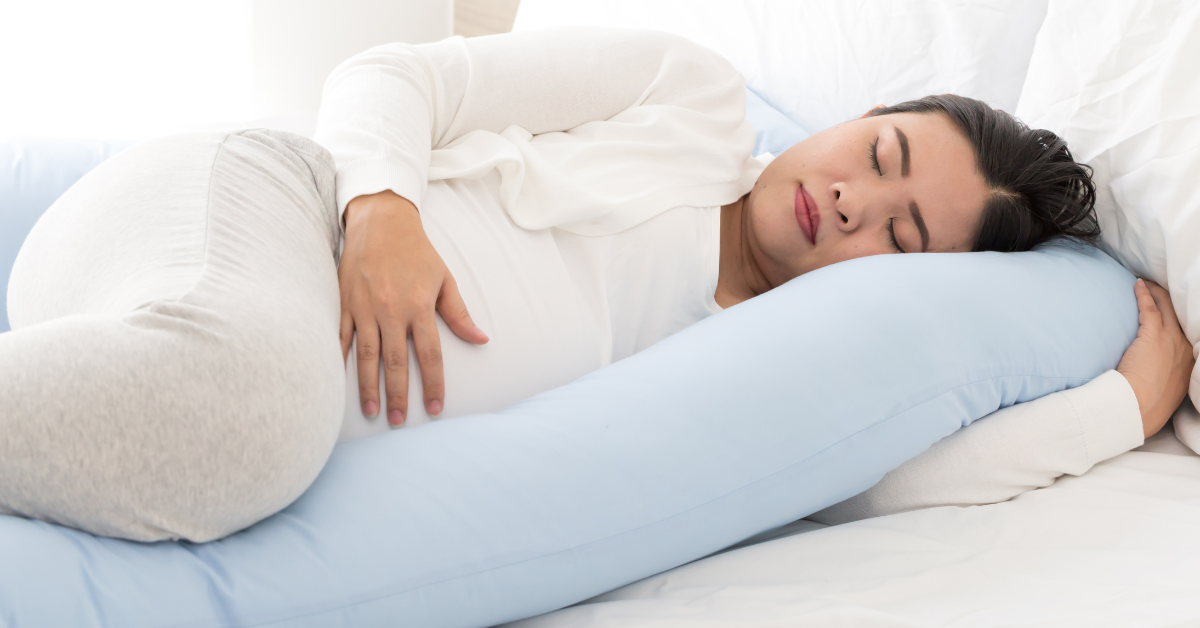
Sleeping on your side is another excellent option, especially for people with chronic back pain.
- Bend your knees slightly.
- Place a firm pillow between your knees.
- Keep your shoulders and hips aligned.
People with lumbar disc problems or herniated discs may find relief in a gentle fetal position.
Avoid curling into a very tight ball, as excessive bending may increase stiffness.
Stomach sleeping often places excessive stress on the neck and lower back.
- Place a thin pillow under your pelvis.
- Use a very thin pillow under your head—or none at all—to reduce neck strain.
Sleeping Positions to Avoid
Avoid these habits if you experience back pain:
Choosing the Right Mattress
Your mattress significantly affects spinal alignment.
A good mattress should:
Most people with back pain benefit from a medium-firm mattress, although the ideal choice depends on individual comfort and medical conditions.
Importance of the Right Pillow
The right pillow supports the neck and upper spine.
Medium-height pillow. Supports the natural neck curve.
Slightly thicker pillow. Keeps the head level with the spine.
Very thin pillow or no pillow.
How Physiotherapy Helps Improve Sleep-Related Back Pain
If changing your sleeping position isn't enough, physiotherapy can identify and treat the underlying cause of your pain.
Treatment at Physio Matters Clinic may include:
1. Comprehensive Assessment
Evaluation of:
2. Manual Therapy
Treatment may include:
These techniques improve mobility and reduce pain.
3. Posture Correction
Patients receive personalized guidance on:
4. Core Strengthening Program
Strengthening the abdominal, gluteal, and spinal stabilizing muscles helps reduce stress on the lower back and prevents recurring pain.
5. Dry Needling & Trigger Point Therapy
These advanced techniques help relieve:
6. Flexibility & Mobility Exercises
Customized exercises improve:
7. Lifestyle & Ergonomic Advice
Patients receive guidance on:
Tips for Better Sleep with Back Pain
Sleep in a spine-neutral position.
Replace worn-out mattresses and pillows.
Stretch before bedtime.
Maintain a healthy body weight.
Avoid using your phone in bed for prolonged periods.
Perform regular core-strengthening exercises.
Stay physically active throughout the day.
When to See a Physiotherapist
Consult a physiotherapist if you experience:
Early physiotherapy can help prevent chronic spinal problems and improve long-term function.
Sleep Better with Expert Back Pain Care in Vashi
At Physio Matters Clinic, Dr. Ruchita Parikh provides evidence-based treatment for lower back pain, posture-related disorders, musculoskeletal injuries, chronic pain, ergonomic issues, and functional rehabilitation for patients in Vashi, Navi Mumbai, and Mumbai.
If back pain is affecting your sleep or you wake up with stiffness every morning, expert physiotherapy can help identify the cause and provide lasting relief. Early treatment improves spinal health, restores mobility, and helps you return to comfortable, pain-free sleep.
Physio Matters Clinic offers specialized care for lower back pain, posture correction, ergonomic assessment, musculoskeletal rehabilitation, dry needling, and functional recovery for patients in Vashi, Navi Mumbai, and Mumbai.
Frequently Asked Questions
Sleep Better, Wake Up Pain-Free
Get expert guidance on sleeping posture and back pain relief from our physiotherapy team.
Book Consultation