
Muscle pain, stiffness, and restricted movement are common problems faced by people with sports injuries, posture-related issues, and chronic musculoskeletal conditions. Physiotherapy offers various techniques to manage these problems, and two commonly discussed approaches are dry needling and myofascial release.
Both treatments aim to reduce muscle tension, improve mobility, and relieve pain, but they work in different ways. Choosing the right technique depends on the cause of pain, muscle condition, and individual treatment goals.
At Physio Matters Clinic, Vashi, Navi Mumbai, Dr. Ruchita Parikh, a Musculoskeletal and Sports Physiotherapist with 14+ years of clinical experience, provides personalized physiotherapy treatment plans based on detailed assessment and evidence-based approaches.
What Is Dry Needling?
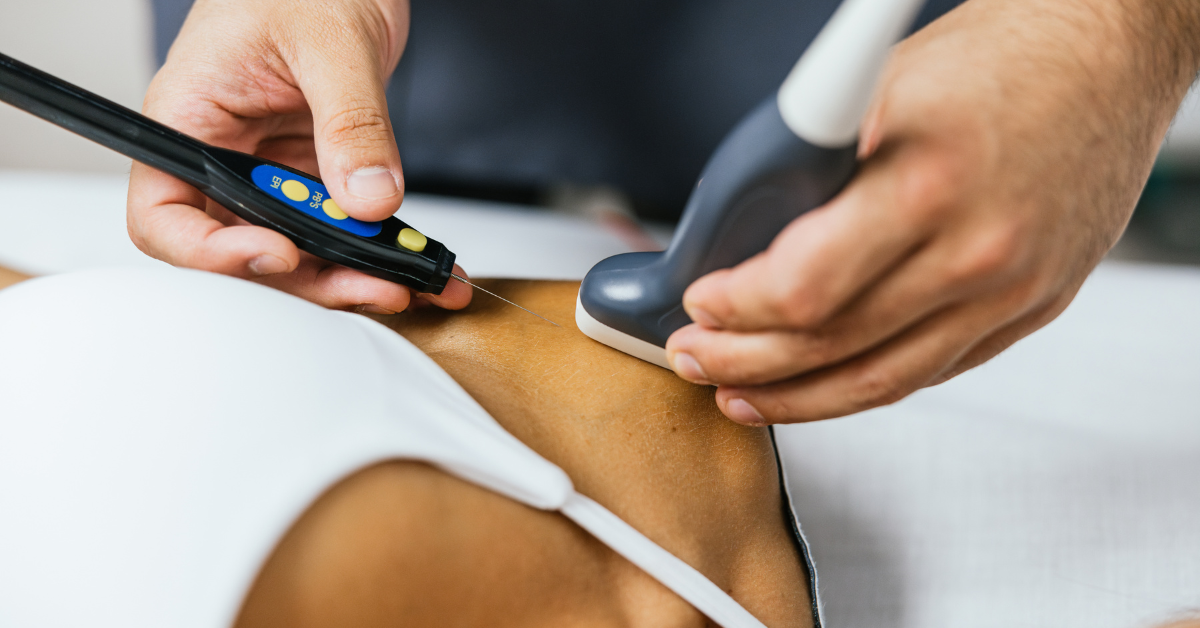
Dry needling is a physiotherapy technique that uses thin, sterile needles to target specific areas of muscle tightness, known as trigger points.
These trigger points are sensitive spots within tight muscle bands that can contribute to pain, stiffness, and reduced movement.
During dry needling, the physiotherapist inserts a fine needle into the affected muscle area to stimulate a response that may help:
- Reduce muscle tightness
- Release trigger points
- Improve blood flow
- Decrease pain sensitivity
- Restore normal muscle function
Dry needling is commonly used for conditions involving muscle-related pain and movement restrictions.
What Is Myofascial Release?
Myofascial release is a hands-on therapy technique that focuses on the fascia, the connective tissue surrounding muscles, bones, and organs.
When fascia becomes tight or restricted due to injury, overuse, stress, or poor posture, it can contribute to stiffness and discomfort.
Myofascial release techniques involve applying gentle pressure and stretching to restricted areas to help:
- Improve tissue flexibility
- Reduce muscle tension
- Increase range of motion
- Enhance movement patterns
- Promote relaxation of tight tissues
It is commonly used as part of rehabilitation programs for musculoskeletal conditions.
Dry Needling vs Myofascial Release: Key Differences
| Dry Needling | Myofascial Release |
|---|---|
| Uses thin sterile needles | Uses manual hands-on techniques |
| Targets specific trigger points | Focuses on fascia and soft tissue restrictions |
| Works deeper within specific muscles | Addresses broader areas of tissue tightness |
| Often used for muscle knots and trigger points | Commonly used for stiffness and mobility issues |
| Requires specialized training | Uses skilled manual therapy techniques |
Both techniques can be effective when used appropriately, but the best choice depends on the patient's condition and assessment.
How Does Dry Needling Help With Pain?
Dry needling may be beneficial for individuals experiencing:
Tight muscle bands can cause localized or referred pain. Dry needling may help relax these areas and improve muscle function.
Athletes with overuse injuries, muscle tightness, or performance-related discomfort may benefit from targeted muscle treatment.
By reducing muscle tension, dry needling may help improve flexibility and movement range.
It may be included in a rehabilitation program for conditions involving persistent muscle-related pain.
How Does Myofascial Release Help With Pain?
Myofascial release can help individuals dealing with:
Gentle pressure techniques help release tension in muscles and surrounding tissues.
People with prolonged sitting habits or poor posture may develop muscle restrictions that affect movement.
Improving soft tissue mobility can support better movement patterns.
It can be used along with exercises to improve rehabilitation outcomes.
Which Treatment Works Better: Dry Needling or Myofascial Release?
There is no single treatment that works best for everyone. The effectiveness depends on:
For example:
- If pain is caused by specific muscle trigger points, dry needling may provide targeted relief.
- If stiffness is related to soft tissue restrictions and reduced flexibility, myofascial release may be beneficial.
- In some cases, both techniques may be combined with exercise therapy for better outcomes.
A physiotherapist evaluates your condition and recommends the most suitable approach.
Can Dry Needling and Myofascial Release Be Combined?
Yes. Many physiotherapy treatment plans combine multiple techniques to address different aspects of pain.
For example:
Dry Needling
- May help release specific tight muscle points.
Myofascial Release
- May improve overall tissue mobility.
Therapeutic exercises may strengthen muscles and prevent recurrence.
A complete rehabilitation approach focuses not only on reducing pain but also on improving function and preventing future problems.
Conditions That May Benefit From These Treatments
Dry needling and myofascial release may be considered for:
However, treatment suitability depends on individual assessment by a qualified physiotherapist.
What Happens During a Physiotherapy Assessment?
Before recommending any treatment, a physiotherapist evaluates:
Based on this evaluation, a personalized treatment plan is created.
The goal is to achieve long-term improvement through a combination of appropriate therapy techniques, exercises, and lifestyle modifications.
Why Choose Physio Matters Clinic, Vashi?
Physio Matters Clinic, Vashi, Navi Mumbai provides comprehensive physiotherapy and sports rehabilitation services focused on personalized, evidence-based care.
The clinic is led by Dr. Ruchita Parikh, a highly experienced Musculoskeletal & Sports Physiotherapist with:
- BPth, MPth (Gold Medalist, KEM Hospital)
- 14+ years of clinical experience
- 11+ years of specialist experience
- Licensed to practice in India, USA, and Australia
- Former consultant at Kokilaben Dhirubhai Ambani Hospital and Bhatia Hospital
- Published research papers
With a patient-focused approach, the clinic helps individuals recover from pain, improve mobility, and return to their active lifestyle.
Call or WhatsApp Physio Matters Clinic to book an appointment with a physiotherapist in Vashi, Navi Mumbai, or enquire about online physiotherapy consultation.
Frequently Asked Questions (FAQs)
Conclusion
Both dry needling and myofascial release can be effective physiotherapy techniques for managing muscle pain, stiffness, and movement problems. However, the best treatment depends on your specific condition, symptoms, and rehabilitation goals.
A proper assessment by an experienced physiotherapist helps determine whether dry needling, myofascial release, exercise therapy, or a combination approach is most suitable for long-term recovery.
At Physio Matters Clinic, Vashi, Navi Mumbai, Dr. Ruchita Parikh provides personalized physiotherapy solutions designed to reduce pain, restore movement, and help patients return to an active lifestyle.
Not Sure Which Treatment Is Right for You?
Whether it's muscle knots, fascial tightness, or persistent stiffness, a detailed assessment can help determine whether dry needling, myofascial release, or a combined approach is best suited to your recovery.
Book Consultation