
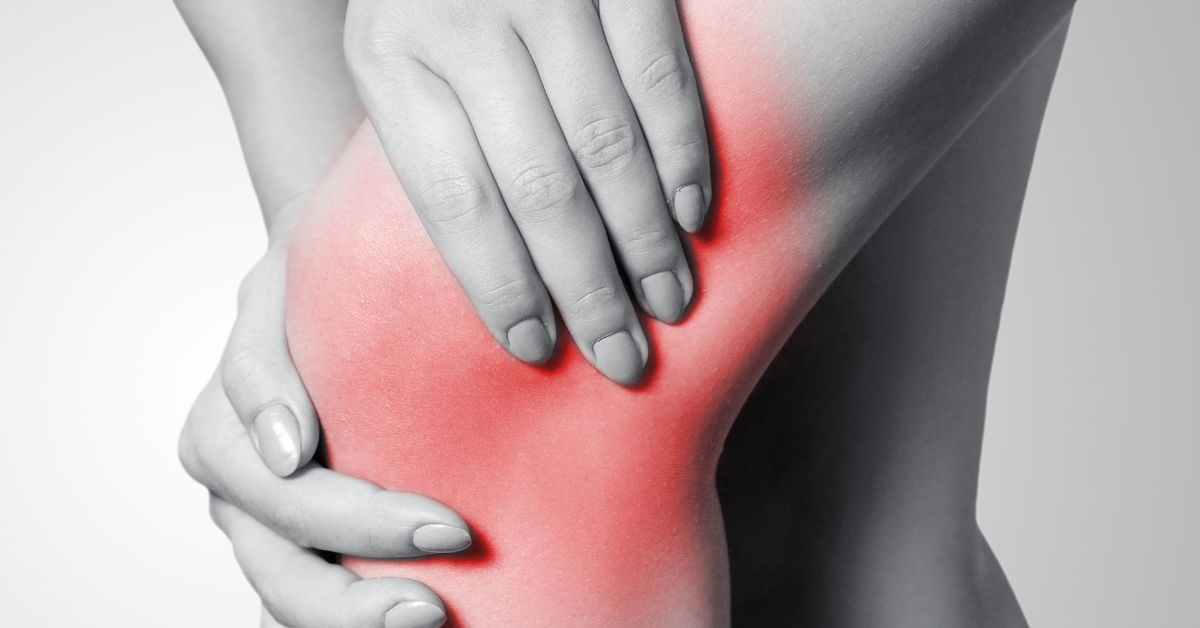
Knee arthritis develops gradually, and its early symptoms are often mistaken for normal ageing, temporary muscle fatigue, or overuse. Many people ignore occasional knee pain or stiffness until it starts affecting their daily activities.
Recognizing the early warning signs and seeking timely treatment can help slow disease progression, reduce pain, and maintain joint function.
In Vashi, Navi Mumbai, where people frequently climb stairs, commute long distances, and lead active lifestyles, early diagnosis and physiotherapy play an important role in managing knee arthritis without compromising mobility.
At Physio Matters Clinic, patients receive expert evaluation and personalized treatment for knee arthritis under the guidance of Dr. Ruchita Parikh — BPTh, MPTh (Gold Medalist, KEM Hospital), Musculoskeletal & Sports Physiotherapist with 14+ years of experience and international licensing in India, USA, and Australia.
What Is Knee Arthritis?
Knee arthritis is a condition in which the cartilage that cushions the knee joint gradually wears down. As cartilage becomes thinner, the bones begin to rub against each other, leading to pain, stiffness, swelling, and reduced mobility.
The most common type is osteoarthritis, although inflammatory conditions such as rheumatoid arthritis can also affect the knee.
Early treatment can help manage symptoms, improve function, and delay further joint damage.
Early Signs of Knee Arthritis Most People Ignore
Initially, pain may only occur during activities such as:
Many people dismiss this discomfort as temporary muscle soreness.
A common early symptom is stiffness after waking up or after sitting for a long time.
Knees may feel stiff or painful when getting up after:
This is sometimes referred to as the theatre sign.
Some people hear or feel:
These sounds (crepitus) may occur due to changes in the joint surfaces and should be evaluated if accompanied by pain or swelling.
Early arthritis may cause occasional swelling after:
You may notice difficulty:
Loss of flexibility often develops gradually.
Unlike an acute injury, arthritis pain often:
Ignoring recurring pain may allow the condition to worsen.
One of the earliest complaints is pain while:
This occurs because stair climbing places increased load on the knee joint.
Risk Factors for Knee Arthritis
You may have a higher risk of developing knee arthritis if you:
Although age is a risk factor, knee arthritis can affect younger adults as well.
How Physiotherapy Helps in Early Knee Arthritis
Physiotherapy is one of the most effective non-surgical treatments for managing early knee arthritis. It focuses on reducing pain, improving joint function, and slowing disease progression.
Treatment at Physio Matters Clinic may include:
A detailed evaluation helps identify the underlying cause of knee pain. Assessment may include:
Treatment may include:
These techniques help reduce pain and improve movement.
Targeted exercises strengthen:
Stronger muscles reduce stress on the knee joint.
Improving flexibility of the following muscles helps improve knee movement:
Better flexibility can reduce stiffness and improve daily function.
Patients learn proper techniques for:
Correct movement patterns reduce unnecessary stress on the knee joint.
For selected patients, these techniques may help relieve:
Patients receive guidance on:
Tips to Protect Your Knees
Maintaining a healthy weight reduces extra stress on your knee joints.
Regular movement helps maintain strength and flexibility.
Strong supporting muscles reduce pressure on the knee joint.
Take movement breaks to prevent stiffness.
Walking, cycling, and swimming can support joint health.
Proper footwear helps maintain better knee alignment.
Recurring discomfort should be evaluated early.
When Should You See a Physiotherapist?
Consult a physiotherapist if you experience:
Early physiotherapy can help reduce pain, improve movement, and delay the progression of arthritis.
Expert Knee Arthritis Care in Vashi
At Physio Matters Clinic, Dr. Ruchita Parikh specializes in musculoskeletal rehabilitation, chronic pain management, sports physiotherapy, posture correction, and functional rehabilitation for patients in Vashi, Navi Mumbai, and Mumbai.
If you are noticing persistent knee pain, stiffness, or discomfort while climbing stairs, don't ignore the early warning signs. Timely physiotherapy can help manage symptoms, improve mobility, and keep you active for years to come.
Physio Matters Clinic provides specialized care for knee arthritis, chronic knee pain, musculoskeletal rehabilitation, posture correction, dry needling, and functional recovery.
Frequently Asked Questions
Get Expert Knee Arthritis Care in Vashi
Don't ignore persistent knee pain or stiffness. Book a consultation and take the first step towards better mobility.
Book Consultation