
Post-Surgical Rehabilitation · Physiotherapy

Physiotherapy After Knee Replacement Surgery: What to Expect

Dr. Ruchita Parikh Vashi, Navi Mumbai 14+ Years Experience
Physiotherapy After Knee Replacement Surgery - What to Expect

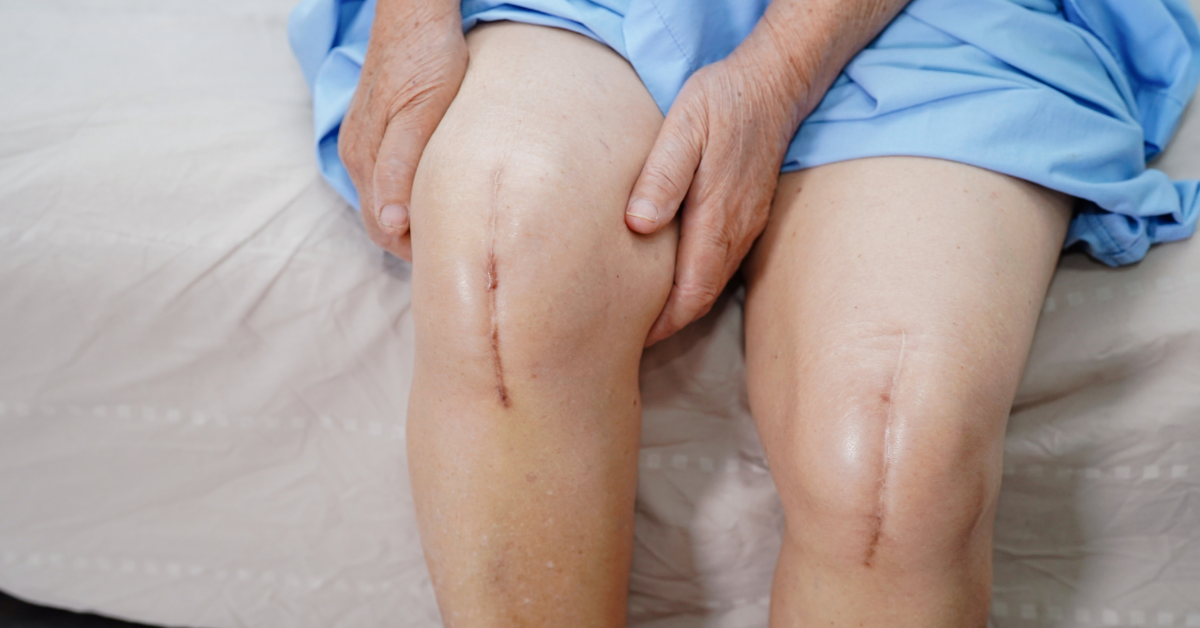
Knee replacement surgery can significantly reduce pain and improve mobility for people with advanced knee arthritis or severe joint damage. However, the success of the surgery depends not only on the procedure itself but also on a well-planned physiotherapy rehabilitation program. Physiotherapy helps restore movement, rebuild muscle strength, improve balance, and enable you to return safely to your daily activities.

In Vashi, Navi Mumbai, many patients undergoing total or partial knee replacement benefit from structured rehabilitation that focuses on long-term function rather than just pain relief.

At Physio Matters Clinic, patients receive personalized post-operative rehabilitation under the guidance of Dr. Ruchita Parikh — BPTh, MPTh (Gold Medalist, KEM Hospital), Musculoskeletal & Sports Physiotherapist with 14+ years of experience and international licensing in India, USA, and Australia.

Treatment Importance

Why Is Physiotherapy Important After Knee Replacement?

A knee replacement replaces the damaged joint surfaces, but surgery alone cannot restore muscle strength, flexibility, balance, or walking ability.

Physiotherapy helps:

Reduce pain and swelling
Restore knee movement
Improve walking pattern
Strengthen the muscles around the knee
Prevent joint stiffness
Improve balance and coordination
Restore independence in daily activities
Reduce the risk of complications

Early rehabilitation often leads to better long-term outcomes.

Understanding Recovery

What Happens After Knee Replacement Surgery?

Following surgery, it is normal to experience:

Pain around the knee
Swelling
Temporary stiffness
Difficulty walking
Weakness in the thigh muscles
Reduced knee bending

These symptoms gradually improve with a structured rehabilitation program.

Rehabilitation Phases

Physiotherapy Recovery Timeline

Recovery varies depending on your age, overall health, pre-surgery mobility, and whether you had a total or partial knee replacement. The following timeline provides a general overview.

1
Early Recovery
Days 1–7
Goals
Control pain and swelling
Begin gentle knee movement
Improve circulation
Start walking safely
Physiotherapy May Include
Ankle pumping exercises
Deep breathing exercises
Gentle knee bending and straightening
Quadriceps activation
Walking with a walker or crutches
Bed mobility training

Early movement helps reduce stiffness and lowers the risk of blood clots.

2
Improve Mobility
Weeks 2–6
Goals
Increase knee range of motion
Improve walking
Reduce swelling
Build early muscle strength
Exercises May Include
Heel slides
Straight leg raises
Mini squats
Stationary cycling (when appropriate)
Step training
Balance exercises

Most patients gradually become more independent during this phase.

3
Strength & Function
Weeks 6–12
Goals
Restore muscle strength
Improve endurance
Normalize walking
Improve stair climbing
Rehabilitation Includes
Progressive strengthening exercises
Step-ups
Lunges (as appropriate)
Resistance band exercises
Balance training
Functional movement exercises

Patients usually experience improved confidence in daily activities.

4
Advanced Rehabilitation
Months 3–6
Goals
Restore full functional mobility
Improve balance
Return to recreational activities
Increase overall fitness
Treatment May Include
Advanced strengthening
Walking endurance
Functional training
Low-impact fitness activities
Individualized exercise progression

Most patients return to a comfortable and active lifestyle during this phase.

Treatment Approach

What Does Physiotherapy Include?

At Physio Matters Clinic, rehabilitation programs are customized according to each patient's recovery stage and functional goals.

1
Comprehensive Post-Operative Assessment

Evaluation includes:

Pain levels
Swelling
Knee movement
Muscle strength
Walking pattern
Balance
Functional abilities
2
Pain & Swelling Management

Treatment may include:

Manual therapy
Gentle joint mobilization
Soft tissue techniques
Pain-relieving modalities where appropriate

These techniques help improve comfort and mobility.

3
Range of Motion Exercises

Restoring knee bending and straightening is essential to:

Walk comfortably
Climb stairs
Sit and stand
Perform daily activities
4
Strengthening Program

Exercises target:

Quadriceps
Hamstrings
Gluteal muscles
Calf muscles
Core muscles

Strong muscles provide better knee support and improve overall function.

5
Gait Training

Patients learn proper techniques for:

Walking
Stair climbing
Sit-to-stand transitions
Balance during movement

Correct walking mechanics reduce stress on the new knee joint.

6
Balance & Functional Rehabilitation

Exercises improve:

Stability
Coordination
Confidence
Fall prevention

This is particularly important for older adults.

7
Home Exercise Program

Patients receive personalized exercises to continue rehabilitation safely at home, supporting long-term recovery.

Self Care

Tips for a Faster Recovery

01
Stay Consistent

Follow your physiotherapy program regularly.

02
Perform Home Exercises

Perform home exercises as advised.

03
Walk Daily

Walk daily within recommended limits.

04
Use Walking Aids

Use walking aids until advised otherwise.

05
Maintain Healthy Weight

Maintain a healthy body weight.

06
Support Healing with Diet

Eat a balanced diet to support healing.

07
Avoid High-Impact Activities

Avoid high-impact activities during recovery.

08
Attend Follow-Ups

Attend scheduled follow-up appointments.

Life After Recovery

Activities You Can Usually Return To

With your surgeon's and physiotherapist's guidance, many patients gradually return to:

Walking Climbing stairs Driving (when medically cleared) Household activities Swimming Cycling Golf Low-impact fitness exercises

High-impact sports such as running and jumping are generally not recommended after knee replacement.

Seek Professional Help

When Should You Contact Your Physiotherapist or Surgeon?

Seek medical advice if you experience:

Increasing pain instead of gradual improvement
Excessive swelling
Redness or warmth around the incision
Fever
Difficulty bearing weight
Persistent stiffness
Sudden calf pain or swelling
New instability in the knee

Early assessment can help identify and manage potential complications.

Expert Care

Benefits of Post-Knee Replacement Physiotherapy

Structured physiotherapy helps:

Improve knee flexibility
Restore muscle strength
Reduce pain
Improve walking ability
Enhance balance
Increase independence
Speed up recovery
Improve long-term quality of life

At Physio Matters Clinic, Dr. Ruchita Parikh provides evidence-based rehabilitation for knee replacement surgery, musculoskeletal conditions, chronic pain, posture correction, and functional recovery for patients in Vashi, Navi Mumbai, and Mumbai.

Knee replacement surgery is only the first step toward pain-free movement. A structured physiotherapy program is essential to regain strength, restore mobility, and return to an active lifestyle safely. Physio Matters Clinic offers specialized rehabilitation for knee replacement surgery, musculoskeletal conditions, chronic pain, posture correction, balance training, and functional recovery for patients in Vashi, Navi Mumbai, and Mumbai.

Knee Pain Treatment Musculoskeletal Rehabilitation Functional Rehabilitation Chronic Pain Management Sports Physiotherapy Posture Correction
Common Questions

Frequently Asked Questions

Physiotherapy usually begins within 24 hours after surgery, depending on your surgeon's advice and overall medical condition.

Most patients experience significant improvement within 3 months, while full recovery may take 6–12 months, depending on individual progress and adherence to rehabilitation.

Some discomfort is expected during exercises, but physiotherapy should not cause severe pain. Your physiotherapist will adjust the program according to your comfort and recovery stage.

The frequency depends on your recovery stage, but regular supervised sessions combined with a home exercise program usually provide the best outcomes.

Yes. Physiotherapy helps restore knee flexibility, improve muscle strength, normalize walking, and improve overall function after knee replacement.
Physio Matters Clinic · Vashi

Recover with Confidence After Knee Replacement Surgery

Book a consultation and start your structured physiotherapy program to regain strength, restore mobility, and return to an active lifestyle safely.

Book Consultation
Online Consultation Available

Take the First Step Toward a Pain-Free, Active Life

Ready to begin your recovery journey? Whether you’re dealing with pain, healing from an injury, preparing for surgery, or looking to improve performance we’re here to help. Experience expert physiotherapy, personalized care, and lasting results at Physio Matters Clinic.