
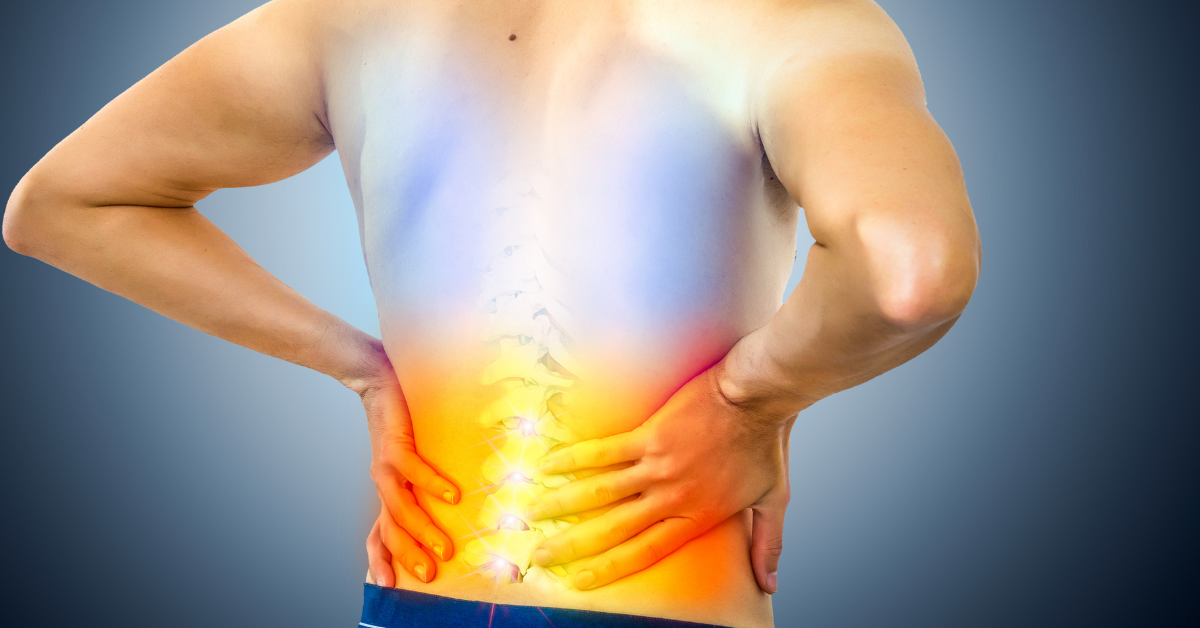
Sciatica is one of the most common causes of radiating leg pain, affecting people of all
ages. Many individuals assume it is simply lower back pain — but sciatica is actually caused
by irritation, compression, or inflammation of the sciatic
nerve, the longest nerve in the human body.
The pain can range from mild discomfort to severe, debilitating symptoms that affect
walking, sitting, working, and daily activities. At Physio Matters
Clinic in Vashi, Navi Mumbai, patients receive evidence-based physiotherapy and
rehabilitation care under the guidance of Dr. Ruchita
Parikh — BPTh, MPTh (Gold Medalist KEM Hospital), Musculoskeletal & Sports
Physiotherapist with 14+ years of experience and international practice licensing in India,
USA, and Australia.
Why Is Sciatica Becoming More Common?
Modern lifestyles are contributing significantly to the increasing prevalence of sciatica. In busy urban areas like Vashi and Navi Mumbai, sedentary work patterns and long commuting hours are common triggers for sciatic nerve irritation.
Remote work and office setups mean many people sit for 8–10 hours daily, increasing spinal pressure and nerve compression risk significantly.
Slouching, hunching, and improper screen positioning add cumulative stress to lumbar discs and surrounding nerve roots.
Lack of physical activity weakens the abdominal and back muscles that support the spine, making nerve irritation more likely.
Extended driving keeps the spine in a compressed, vibrating position — a well-known contributor to lower back and sciatic nerve problems.
Excess body weight increases load on lumbar discs and reduces the spinal canal space, compressing nearby nerve roots.
Spinal wear, disc dehydration, and bone spur formation naturally increase the risk of sciatic nerve irritation over time.
Common Symptoms of Sciatica
Sciatica symptoms vary depending on the severity and location of nerve compression. Some patients experience severe leg pain with very little lower back pain. You should consider consulting a physiotherapist if you experience:
Important: Early physiotherapy prevents chronic nerve irritation and prolonged disability.
Causes of Sciatica
Several spinal and musculoskeletal conditions can irritate or compress the sciatic nerve. Accurate diagnosis is essential because treatment differs significantly depending on the underlying cause.
The most common cause. Disc material presses against nerve roots, causing pain and neurological symptoms that radiate down the leg.
Age-related wear and tear narrows the spaces around spinal nerves, contributing to chronic sciatic nerve irritation.
Narrowing of the spinal canal places direct pressure on nerve roots, especially in older individuals.
The piriformis muscle in the buttock compresses the sciatic nerve, producing symptoms nearly identical to disc-related sciatica.
Disc degeneration alters spinal mechanics and increases nerve irritation over time, particularly with repetitive activity.
Muscle imbalances, overuse injuries, and extended sitting all increase pressure on the lower back and sciatic nerve.
Conditions Often Associated With Sciatica
When Should You See a Physiotherapist?
Many people wait until symptoms become severe before seeking treatment. Early physiotherapy often helps prevent chronic nerve irritation and prolonged disability. Visit a physiotherapist if:
How Physiotherapy Helps Sciatica
Physiotherapy focuses on identifying the root cause of nerve irritation rather than simply masking symptoms. At Physio Matters Clinic, treatment plans are customized according to the patient's condition, symptoms, and functional goals.
Evaluation of posture, spinal mobility, nerve tension, muscle strength, movement patterns, functional limitations, and walking mechanics to determine the exact source of symptoms.
Joint mobilization, soft tissue release, myofascial release, and muscle relaxation techniques to improve mobility and reduce nerve irritation.
Specialized exercises designed to improve nerve mobility, reduce nerve sensitivity, and restore normal neural movement through the leg.
Customized programs targeting core stability, glute strengthening, and spinal support muscles — addressing the root cause of recurrent sciatica.
Programs to improve sitting posture, standing posture, workstation ergonomics, and daily movement habits that reduce spinal stress.
Helps release tight muscles and trigger points that contribute to nerve compression and referred pain along the sciatic nerve path.
The ultimate goal — helping patients safely return to work, sports, exercise, daily activities, and active lifestyles.
Physiotherapy Treatments at a Glance
Physiotherapy focuses on identifying and treating the root cause of nerve pain through movement correction, strengthening, and targeted rehabilitation.
Tips to Prevent Sciatica
Take regular movement breaks every 30–45 minutes during work to relieve spinal pressure.
Use ergonomic seating with proper lumbar support at your desk and during commutes.
Strong abdominal and back muscles provide better spinal stability and reduce nerve compression risk.
Walking, stretching, and targeted strengthening exercises help maintain spinal health and nerve mobility.
Use your legs while lifting and avoid bending from the waist to protect lumbar discs.
Reducing excess weight decreases load on the spine and surrounding nerve structures.
Proper desk setup — including chair height, monitor position, and keyboard placement — prevents excessive spinal strain.
Why Patients in Vashi Choose Physio Matters Clinic
Sciatica treatment should be individualized because every patient presents differently. Generic online exercises may not address the actual cause — and can sometimes aggravate symptoms.
The clinic serves patients across Vashi, Navi Mumbai, and Mumbai.
Frequently Asked Questions
Consult an Experienced Physiotherapist in Vashi for Sciatica
If you are experiencing radiating leg pain, tingling, numbness, or recurring lower back pain, early physiotherapy intervention can significantly improve recovery and prevent long-term complications. Physio Matters Clinic offers personalized physiotherapy and rehabilitation programs for sciatica, lower back pain, posture-related conditions, sports injuries, and functional recovery — serving patients across Vashi, Navi Mumbai, and Mumbai.
Book a Consultation