
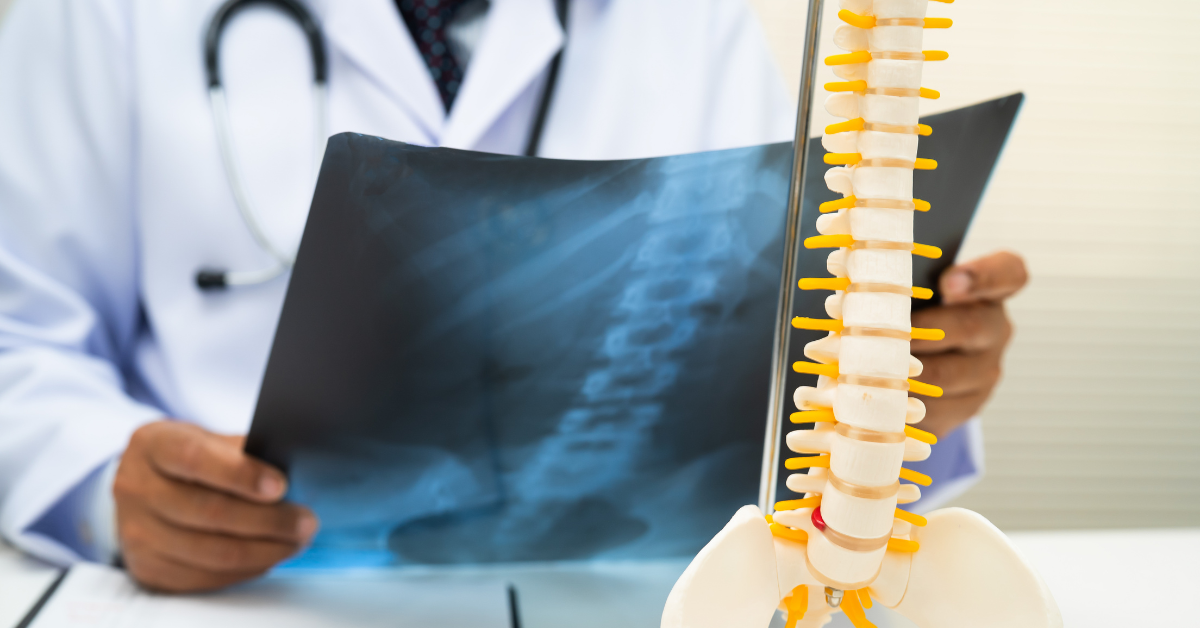
Back pain, neck pain, slip disc, sciatica, and other spine-related conditions affect millions of people every year. When symptoms become severe or persistent, many patients worry that surgery may be their only option. However, in many cases, physiotherapy can play a crucial role in reducing pain, improving function, and helping patients avoid or delay spine surgery.
While surgery may be necessary for certain severe conditions, a large percentage of spine problems can be effectively managed through conservative treatment, including physiotherapy, rehabilitation, posture correction, and strengthening programs.
At Physio Matters Clinic in Vashi, Navi Mumbai, patients receive evidence-based physiotherapy and rehabilitation care under the guidance of Dr. Ruchita Parikh — BPTh, MPTh (Gold Medalist KEM Hospital), Musculoskeletal & Sports Physiotherapist with 14+ years of experience and international practice licensing in India, USA, and Australia.
Understanding Spine Surgery
Spine surgery is usually considered when conservative treatments fail to provide relief or when serious neurological symptoms are present.
Common reasons for spine surgery include:
However, not every patient with these conditions requires surgery.
Why Many Spine Conditions Improve Without Surgery
Many spine-related problems are caused by:
These issues often respond well to structured physiotherapy and rehabilitation. Research has shown that many patients with lower back pain, neck pain, and even certain disc-related conditions experience significant improvement through conservative treatment.
Conditions Where Physiotherapy May Help Avoid Surgery
Slip Disc (Herniated Disc)
A slipped disc occurs when disc material presses on nearby nerves. Many patients experience:
With appropriate physiotherapy, symptoms often improve by reducing nerve irritation, improving spinal mechanics, and strengthening supporting muscles.
Sciatica
Sciatica is one of the most common reasons patients consider surgery. In many cases, physiotherapy can help by:
Many patients experience substantial symptom relief without surgery.
Chronic Lower Back Pain
Persistent lower back pain is frequently linked to:
Physiotherapy addresses these underlying factors and helps reduce recurrence.
Neck Pain and Cervical Problems
Many cervical spine conditions respond well to:
Early intervention often prevents progression.
Spinal Stenosis
While severe cases may require surgery, many individuals with mild to moderate spinal stenosis benefit from physiotherapy aimed at improving movement and reducing symptoms.
How Physiotherapy Helps Prevent Spine Surgery
The goal of physiotherapy is not simply to reduce pain temporarily but to address the root cause of dysfunction and improve long-term spinal health.
Comprehensive Assessment
A physiotherapist evaluates:
This helps identify contributing factors and create a personalized treatment plan.
Pain Management
Physiotherapy uses evidence-based techniques to reduce pain and improve comfort without relying solely on medication.
Posture Correction
Poor posture is one of the leading contributors to chronic spine problems. Posture correction helps reduce excessive strain during:
Strengthening Programs
Weak muscles often increase pressure on the spine. Treatment may focus on strengthening:
Improved strength enhances spinal stability and reduces injury risk.
Mobility and Flexibility Training
Restricted movement can contribute to spinal stress and pain. Targeted exercises help improve:
Manual Therapy
Advanced physiotherapy techniques may include:
These treatments help improve movement and reduce stiffness.
Dry Needling
Dry needling may help release tight muscles and trigger points contributing to chronic pain.
Functional Rehabilitation
The focus is helping patients safely return to:
Without recurring symptoms.
Signs That Physiotherapy Should Be Tried First
You should consider physiotherapy before surgery if:
Discomfort is interfering with your work, movement, or routine tasks.
Pain or discomfort keeps returning despite periods of relief.
You notice stiffness or difficulty moving freely.
Prolonged positions become increasingly uncomfortable.
Nerve-related leg pain without severe neurological deficits.
Scans indicate a disc issue, but neurological function remains largely intact.
You would like to try non-surgical treatment before considering an operation.
Many patients improve significantly within a structured rehabilitation program.
When Surgery May Still Be Necessary
Although physiotherapy is highly effective for many spine conditions, surgery may be recommended in specific situations. Seek immediate medical evaluation if you experience:
Increasing weakness in the arms or legs may indicate significant nerve compression.
This is considered a medical emergency and requires urgent assessment.
Persistent neurological symptoms that do not respond to conservative treatment may require surgical intervention.
Certain structural conditions may not improve with physiotherapy alone.
A spine specialist can help determine the most appropriate treatment pathway.
Why Early Physiotherapy Matters
Many patients delay treatment until symptoms become severe. Early intervention may help:
The earlier rehabilitation begins, the better the chances of successful conservative management.
Why Choosing the Right Physiotherapist Matters
Successful rehabilitation requires an individualized approach.
An experienced physiotherapist can provide:
Dr. Ruchita Parikh specializes in musculoskeletal rehabilitation, sports physiotherapy, chronic pain management, functional rehabilitation, posture correction, injury prevention, and strength and conditioning.
Why Patients in Vashi Choose Physio Matters Clinic
Patients visiting Physio Matters Clinic benefit from evidence-based physiotherapy care, personalized rehabilitation programs, one-on-one assessments, advanced pain management techniques, functional recovery approach, ergonomic consultation, international clinical exposure, and long-term prevention strategies.
The clinic serves patients across Vashi, Navi Mumbai, and Mumbai.
Tips to Maintain a Healthy Spine
Regular movement helps maintain spinal health.
Core stability reduces stress on spinal structures.
Good posture minimizes unnecessary strain.
Take movement breaks every 30–45 minutes.
Use proper lifting techniques to protect your back.
Seeking treatment early often leads to better outcomes.
Frequently Asked Questions
Consult an Experienced Physiotherapist in Vashi
If you are dealing with back pain, neck pain, sciatica, slip disc, or other spine-related conditions, physiotherapy may help you recover without surgery and improve your long-term spinal health. Physio Matters Clinic offers personalized physiotherapy, rehabilitation, posture correction, and functional recovery programs designed to help patients manage spine conditions effectively and safely.
Book Consultation / Contact Clinic