
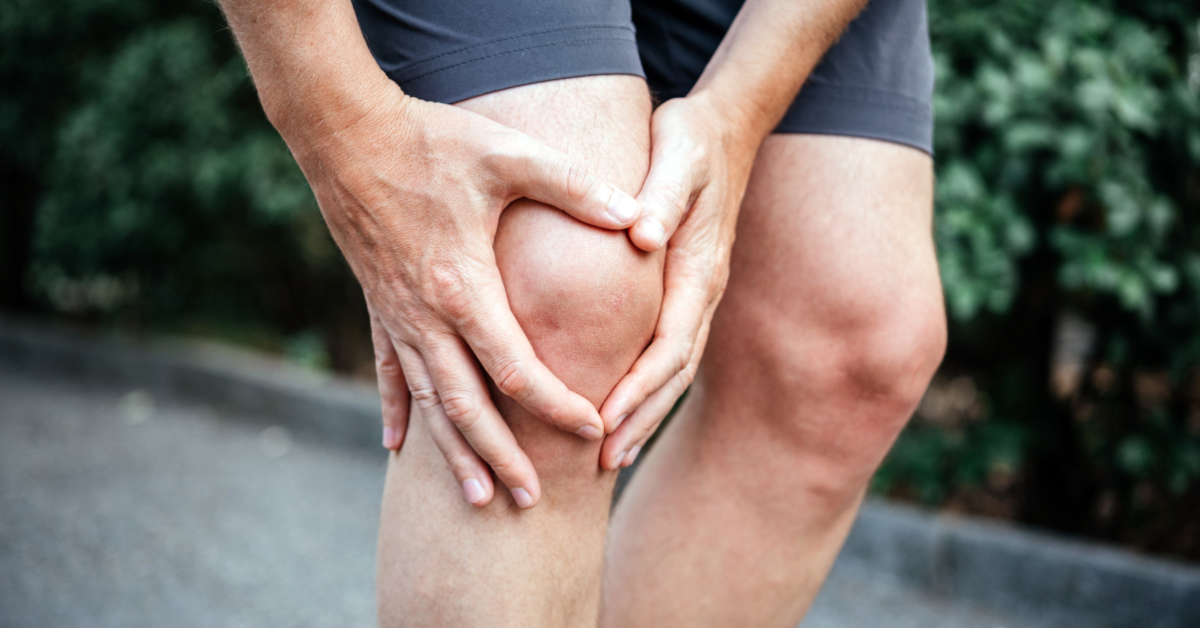
The knee is one of the most important and complex joints in the human body. It helps us walk, run, jump, climb stairs, and perform everyday movements. Because the knee handles a lot of stress, injuries can occur, especially during sports, exercise, sudden movements, or accidents.
Two common types of knee injuries are meniscus injuries and ligament injuries. Although both can cause knee pain and difficulty with movement, they affect different structures of the knee and may require different approaches for recovery.
Understanding the difference between a meniscus injury and ligament injury can help you recognise symptoms early and seek appropriate care.
If you are experiencing knee pain after an injury, consulting a physiotherapist in Vashi can help with assessment, rehabilitation, and a safe return to normal activities.
Understanding the Knee Structure
The knee joint is made up of bones, cartilage, ligaments, tendons, and muscles that work together to provide stability and movement.
Two important structures involved in knee injuries are:
Meniscus
The meniscus is a C-shaped piece of cartilage located between the thigh bone (femur) and shin bone (tibia).
Each knee has two menisci:
The meniscus acts as a cushion and helps:
Ligaments
Ligaments are strong bands of tissue that connect bones and help control joint stability.
The major knee ligaments include:
Ligaments help prevent excessive movement and maintain proper alignment of the knee joint.
What Is a Meniscus Injury?
A meniscus injury occurs when the cartilage cushion inside the knee becomes torn or damaged.
This commonly happens during activities that involve:
Meniscus injuries can also occur gradually due to age-related changes and reduced cartilage strength.
What Is a Ligament Injury?
A ligament injury occurs when one or more knee ligaments are stretched, partially torn, or completely torn.
Ligament injuries commonly occur during:
Sports such as football, basketball, cricket, skiing, and other activities involving rapid movements may increase the risk of ligament injuries.
Meniscus Injury vs Ligament Injury: Main Differences
Although both injuries affect the knee, they involve different tissues and often produce different symptoms.
| Feature | Meniscus Injury | Ligament Injury |
|---|---|---|
| Affected structure | Knee cartilage (meniscus) | Knee stabilising ligaments |
| Common cause | Twisting or rotation of the knee | Sudden force, impact, or change in direction |
| Main concern | Cushioning and smooth movement | Knee stability |
| Common symptoms | Pain, swelling, catching sensation | Instability, swelling, difficulty trusting the knee |
| Feeling of knee giving way | Less common | More common, especially with major ligament injuries |
| Common in | Twisting activities and sports | High-impact sports and sudden movements |
Symptoms of Meniscus Injury
Symptoms may vary depending on the size and location of the tear.
Common signs include:
1. Knee Pain
Pain may occur along the inner or outer side of the knee depending on which meniscus is affected.
2. Swelling
Some people develop swelling after the injury, while others may notice swelling that appears gradually.
3. Catching or Locking Sensation
A torn meniscus may interfere with smooth knee movement, causing a feeling that the knee is catching, clicking, or locking.
4. Limited Range of Motion
You may find it difficult to fully bend or straighten your knee.
5. Discomfort During Squatting or Twisting
Movements that compress or rotate the knee may increase pain.
Symptoms of Ligament Injury
Ligament injuries often affect knee stability.
Common symptoms include:
1. Sudden Pain During Injury
Many ligament injuries occur during a specific movement, such as twisting, landing, or changing direction. Some people may hear or feel a popping sensation at the time of injury.
2. Knee Swelling
Rapid swelling after an injury can occur, especially with certain ligament injuries.
3. Feeling of Instability
A common complaint is that the knee feels weak, unstable, or as if it may give way.
4. Difficulty Putting Weight on the Leg
Walking may become uncomfortable, especially soon after the injury.
5. Reduced Confidence During Activities
People may avoid running, jumping, or sports because they do not trust the knee.
How Are Meniscus and Ligament Injuries Diagnosed?
A proper diagnosis requires a detailed assessment.
A healthcare professional may evaluate:
Depending on the symptoms, imaging tests such as an MRI may be recommended to assess soft tissues like menisci and ligaments.
A physiotherapist may also perform movement assessments to understand how the injury affects your daily activities.
Treatment Options for Meniscus Injury
Treatment depends on factors such as the severity of the tear, symptoms, age, activity level, and overall knee condition.
Non-surgical management may include:
Activity Modification
Temporarily avoiding movements that increase pain may allow the knee to settle.
Physiotherapy
A structured physiotherapy programme may focus on:
Strengthening Exercises
Exercises for the quadriceps, hamstrings, hips, and surrounding muscles can help improve knee support.
Some meniscus injuries may require surgical evaluation, especially if there is persistent locking, significant symptoms, or failure to improve with conservative care.
Treatment Options for Ligament Injury
Treatment depends on which ligament is injured and the severity of damage.
Rehabilitation may involve:
Strength Recovery
Strengthening muscles around the knee helps improve support and control.
Stability Training
Balance and coordination exercises may help improve knee confidence.
Functional Training
Gradual return to activities such as running, sports, or exercise is usually planned step-by-step.
Some complete ligament tears, particularly in highly active individuals, may require surgical consideration followed by rehabilitation.
How Can Physiotherapy Help Knee Injuries?
Physiotherapy plays an important role in recovery from many knee injuries.
At Physio Matters Clinic in Vashi, rehabilitation focuses on understanding the injury, improving function, and helping patients safely return to their activities.
A physiotherapy programme may include:
Pain and Swelling Management
Appropriate techniques may be used to help manage symptoms and improve comfort.
Range of Motion Exercises
Maintaining or restoring knee movement is an important part of recovery.
Progressive Strengthening
Exercises are gradually progressed to improve muscle strength and knee support.
Balance and Stability Training
These exercises are especially important after ligament injuries where knee control may be affected.
Return-to-Sport Rehabilitation
Athletes and active individuals may require sport-specific rehabilitation before returning to full activity.
The goal is not only to reduce pain but also to improve confidence and prevent future problems.
Can You Prevent Meniscus and Ligament Injuries?
While not all knee injuries can be prevented, certain habits may reduce risk:
Strong muscles and good movement control help the knee handle physical stress more effectively.
When Should You See a Physiotherapist for Knee Injury?
You should consider professional assessment if you experience:
Early assessment can help identify the problem and guide appropriate recovery.
Meniscus and Ligament Injury Rehabilitation in Vashi
A knee injury does not always mean you need to stop your favourite activities permanently.
With the right diagnosis, rehabilitation plan, and gradual progression, many people can regain strength, mobility, and confidence.
Physio Matters Clinic in Vashi, Navi Mumbai, led by Dr. Ruchita Parikh, provides personalised physiotherapy for knee pain and sports injuries, rehabilitation, posture correction, pain management, and injury recovery.
Whether you have suffered a sports injury, twisting injury, or ongoing knee discomfort, a professional assessment can help you understand your condition and plan the next steps.
Call or WhatsApp Physio Matters Clinic to book an appointment with a physiotherapist in Vashi or enquire about online physiotherapy consultation.
Frequently Asked Questions
Get Your Knee Injury Assessed Today
Whether it's a meniscus tear, a ligament sprain, or ongoing knee discomfort, Physio Matters Clinic in Vashi offers personalised assessment, rehabilitation, and return-to-sport physiotherapy. Call or WhatsApp to book an appointment, or opt for an online physiotherapy consultation.
Call / WhatsApp to Book Book Online Consultation