
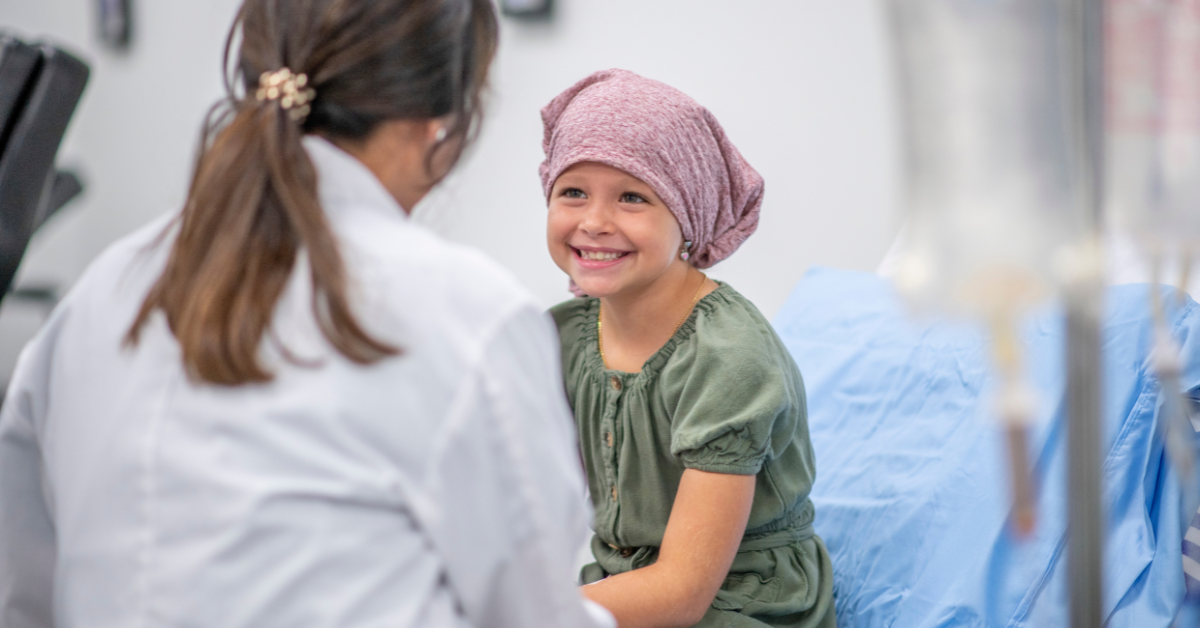
Cancer treatment can place significant demands on the body. Surgery, chemotherapy, radiation therapy, and other treatments may help manage the disease, but they can also leave patients dealing with fatigue, weakness, reduced mobility, pain, and difficulty returning to everyday activities.
This is where oncology rehabilitation can play an important role. Oncology rehabilitation uses personalised physiotherapy and rehabilitation strategies to help people maintain or regain strength, mobility, independence, and confidence during and after cancer treatment.
For patients looking for oncology rehabilitation in Vashi, Navi Mumbai, physiotherapy can be an important part of the overall recovery journey.
What Is Oncology Rehabilitation?
Oncology rehabilitation, also known as cancer rehabilitation, is a specialised approach designed to help people manage the physical and functional effects of cancer and its treatment.
Cancer rehabilitation may be helpful at different stages of care, including:
The rehabilitation programme varies depending on the type of cancer, treatment received, current symptoms, overall health, and individual goals.
For one person, the goal may be walking independently again. For another, it may be returning to work, household activities, exercise, or recreational activities.
Why Is Rehabilitation Important During Cancer Recovery?
Cancer treatment affects everyone differently. Some patients are able to continue many of their regular activities, while others may experience noticeable changes in strength, stamina, mobility, or balance.
Prolonged inactivity can sometimes lead to further loss of muscle strength and physical conditioning. A carefully planned rehabilitation programme aims to help patients stay as active and independent as their medical condition allows.
Physiotherapy during cancer recovery may focus on:
The objective is not to push the body beyond its limits. Instead, rehabilitation is adjusted according to the patient's energy levels, medical status, and treatment stage.
Common Physical Challenges After Cancer Treatment
Cancer itself and its treatments can cause a range of physical challenges.
1. Cancer-Related Fatigue
Fatigue is a common concern among people undergoing or recovering from cancer treatment. Unlike ordinary tiredness, cancer-related fatigue may not completely disappear after resting. Patients may feel exhausted even after performing relatively simple activities.
A structured rehabilitation programme can help patients gradually improve their physical activity tolerance without unnecessarily overloading the body.
2. Muscle Weakness
Reduced physical activity, prolonged hospital stays, surgery, and treatment-related effects may contribute to muscle weakness. Patients may notice difficulty getting out of a chair, climbing stairs, walking longer distances, carrying objects, or performing household activities.
Progressive strengthening exercises may help rebuild physical capacity.
3. Reduced Mobility and Flexibility
Surgery, radiation therapy, pain, scar tissue, or inactivity may lead to stiffness and reduced range of movement. For example, some patients recovering from breast cancer treatment may experience shoulder stiffness or difficulty lifting the arm.
Physiotherapy may include appropriate mobility and flexibility exercises based on the individual's condition.
4. Balance Problems
Weakness, reduced activity, certain medications, or treatment-related neurological changes can sometimes affect balance. A physiotherapist can assess balance and recommend exercises to improve stability and reduce the risk of falls where appropriate.
5. Pain and Stiffness
Pain during cancer recovery may have several possible causes.
Rather than assuming that all pain is musculoskeletal, appropriate medical evaluation is important. Once the cause is understood and physiotherapy is considered appropriate, rehabilitation may help manage stiffness, movement limitations, and associated physical discomfort.
How Can Physiotherapy Help During Cancer Recovery?
Physiotherapy for cancer patients is not based on a single standard exercise routine.
A physiotherapist first considers the patient's medical history, cancer treatment, current physical abilities, symptoms, limitations, and recovery goals. A personalised programme may then include several components.
Gentle Mobility Exercises
Mobility exercises can help maintain or gradually improve joint movement, particularly after periods of inactivity or certain surgical procedures. The exercises are selected according to the affected area and the patient's current condition.
Progressive Strength Training
Muscle strength may decline during prolonged illness and treatment. Strengthening exercises can begin at a manageable level and progress gradually. Depending on the patient, this may involve simple body-weight movements, resistance bands, light resistance, or functional exercises.
Endurance Training
Activities such as walking or other appropriate forms of aerobic exercise may be gradually introduced to improve physical conditioning and activity tolerance. The intensity should be adjusted according to medical advice, symptoms, and individual ability.
Balance and Coordination Exercises
Patients experiencing reduced balance or stability may benefit from exercises designed to improve body control and confidence during movement. Safety is particularly important when there is an increased risk of falls.
Breathing Exercises
Depending on the medical condition and treatment, breathing exercises may sometimes form part of rehabilitation. They may be particularly relevant following certain surgeries or prolonged periods of reduced physical activity.
Functional Rehabilitation
Cancer recovery isn't only about performing exercises in a clinic.
Rehabilitation should also help patients perform meaningful daily activities more comfortably and independently. This might include practising:
The programme can gradually become more challenging as the patient's ability improves.
Can Exercise Help with Cancer-Related Fatigue?
It may seem natural to avoid activity when you already feel exhausted. However, prolonged inactivity can contribute to reduced physical conditioning.
Appropriately prescribed physical activity may help some people manage cancer-related fatigue and maintain physical function. This does not mean exercising intensely when your body needs rest. Instead, the goal is to find a suitable balance between activity and recovery.
Some days may allow more activity than others, particularly during active cancer treatment. A physiotherapist can help modify the programme based on changing energy levels and symptoms.
Is Physiotherapy Safe During Chemotherapy?
Physiotherapy and appropriate exercise may be possible for many people undergoing chemotherapy, but the programme needs to be individualised.
Cancer treatment can affect blood counts, immunity, energy levels, balance, and overall physical condition. Certain medical factors may require exercise to be modified or temporarily postponed.
Communication between the rehabilitation professional and treating medical team is therefore important. Patients should always inform their physiotherapist about their diagnosis, current medications, treatment schedule, recent surgery, medical restrictions, and any new symptoms.
Rehabilitation After Cancer Surgery
Surgery can temporarily affect movement, strength, posture, and independence. Depending on the type and location of surgery, postoperative rehabilitation may focus on:
Recovery should progress gradually and follow the precautions recommended by the treating surgeon. A physiotherapist can help patients understand what movements are appropriate at each stage of recovery.
What About Lymphedema After Cancer Treatment?
Some cancer treatments involving lymph nodes may increase the risk of lymphedema, which is swelling caused by the accumulation of lymphatic fluid. It can sometimes affect an arm or leg depending on the cancer treatment received.
Persistent or unexplained swelling should be medically assessed. When appropriate, specialised rehabilitation may form part of lymphedema management.
Because lymphedema requires individual assessment, patients should avoid relying solely on generic exercises or massage techniques without professional guidance.
How Does Oncology Rehabilitation Support Quality of Life?
Successful cancer recovery is about more than completing medical treatment.
Being able to move around independently, participate in family life, return to work, enjoy hobbies, and perform everyday tasks can have a meaningful impact on quality of life. Oncology rehabilitation aims to help patients work towards these goals at a pace appropriate for their health.
Improvements in physical function may help patients feel more confident about moving and gradually returning to their normal routine. Even small milestones—such as walking a little farther or climbing stairs more comfortably—can represent meaningful progress.
How Long Does Cancer Rehabilitation Take?
There is no universal recovery timeline. The duration of rehabilitation depends on factors such as:
Some patients may need rehabilitation for a relatively short period, while others may benefit from longer-term support.
Progress should be based on the patient's abilities and medical condition rather than comparing their recovery with someone else's.
When Should You Consider Oncology Rehabilitation?
Consider discussing rehabilitation with your healthcare team if you or a family member is experiencing:
Early rehabilitation may help prevent some physical limitations from becoming more difficult to manage. However, new or worsening symptoms during cancer recovery should always be communicated to the treating oncology team.
Oncology Rehabilitation in Vashi at Physio Matters Clinic
Cancer recovery is a journey, and every patient's journey looks different.
At Physio Matters Clinic in Vashi, Navi Mumbai, rehabilitation is focused on helping patients gradually improve movement, strength, function, and independence according to their individual needs.
Led by Dr. Ruchita Parikh, Physio Matters provides personalised physiotherapy and rehabilitation support, including injury recovery, pain management, mobility improvement, strengthening, posture correction, and online consultation.
For people recovering from cancer treatment, a personalised physiotherapy programme can help establish achievable goals and support a gradual return to everyday activities.
If cancer treatment has affected your strength, mobility, balance, or ability to perform daily tasks, consider discussing rehabilitation with your treating doctor and physiotherapist. Call or WhatsApp Physio Matters Clinic to book an appointment with a physiotherapist in Vashi, Navi Mumbai, or enquire about online physiotherapy consultation.
Frequently Asked Questions
Rebuild Strength, Confidence & Independence
If cancer treatment has affected your strength, mobility, balance, or ability to perform daily tasks, Physio Matters Clinic in Vashi offers personalised oncology rehabilitation, gradual functional recovery programmes, and dedicated physiotherapy support. Call or WhatsApp to book an appointment, or opt for an online physiotherapy consultation.
Call / WhatsApp to Book Book Online Consultation